Why Lean?
Lean is a customer-oriented and human-centered way of delivering more value to customers with less – in production and in the office.
Why Lean?
Lean is a customer-oriented and human-centered way of delivering more value to customers with less – in production and in the office.
Why Lean?
Lean is a customer-oriented and human-centered way of delivering more value to customers with less – in production and in the office.
What does Lean mean in practice?
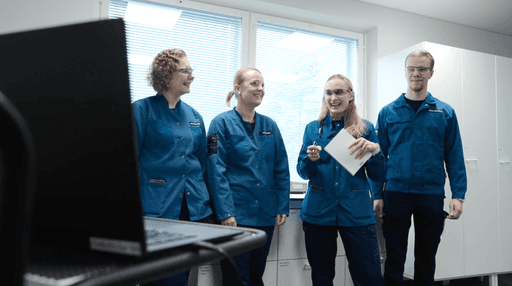
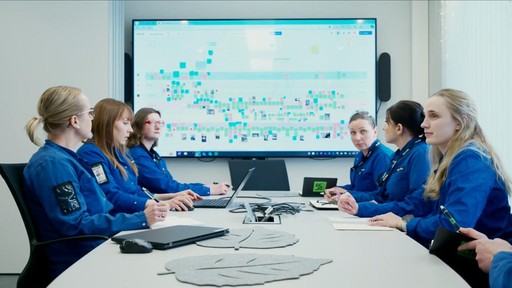
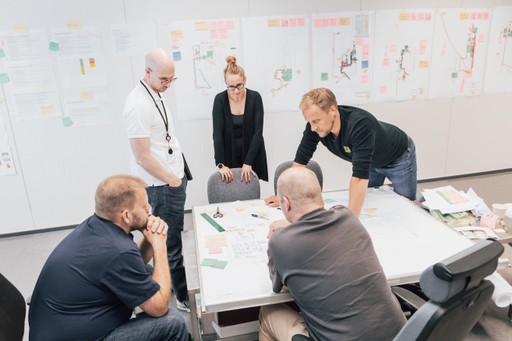
Lean is a customer-focused and people-centred way to make work flow better by removing barriers to flow and focusing on what creates value for the customer.
What does Lean mean in practice?
Lean is a customer-focused and people-centred way to make work flow better by removing barriers to flow and focusing on what creates value for the customer.
What does Lean mean in practice?
Lean is a customer-focused and people-centred way to make work flow better by removing barriers to flow and focusing on what creates value for the customer.
“Lean Habit’s coach was awesome: An easily approachable Lean coach who was able to explain things down-to-earth, understandably and practically – without forgetting the theory.”
Jari Nippala
Senior Development Manager
Orion

“Lean Habit’s coach was awesome: An easily approachable Lean coach who was able to explain things down-to-earth, understandably and practically – without forgetting the theory.”
Jari Nippala
Senior Development Manager
Orion
“Lean Habit’s coach was awesome: An easily approachable Lean coach who was able to explain things down-to-earth, understandably and practically – without forgetting the theory.”
Jari Nippala
Senior Development Manager
Orion

Finland’s productivity challenge is real
Labour productivity growth in the corporate sector in Finland has been on average around zero in 2019–2023. (Bank of Finland, 2024)
Finland’s productivity challenge is real
Labour productivity growth in the corporate sector in Finland has been on average around zero in 2019–2023. (Bank of Finland, 2024)
Finland’s productivity challenge is real
Labour productivity growth in the corporate sector in Finland has been on average around zero in 2019–2023. (Bank of Finland, 2024)
Our customers’ results and successes
+0%
+0%
labour productivity
-0%
-0%
quality defects / year
-0%
-0%
production floor area
-0%
-0%
tied-up capital
-0%
-0%
billing gap
+0%
+0%
sales hit rate
+0%
+0%
job satisfaction
-0%
-0%
quotation lead time
-0%
-0%
product cost
-0%
-0%
payroll errors
-0%
-0%
delivery confirmation delay
-0%
-0%
throughput in production
+0%
+0%
job satisfaction / year
Lean Habitin asiakkaiden saavuttamia tuloksia ja onnistumisia:
- Työn tuottavuus on kasvanut 100 %.
- Laatuvirheet ovat vähentyneet 50 % vuodessa.
- Tuotannon pinta-ala on pienentynyt 50 %.
- Sidottu pääoma on vähentynyt 90 %.
- Laskutusjäämä on pienentynyt 30 %.
- Myynnin hit rate on kasvanut 45 %.
- Työtyytyväisyys on kasvanut 15 %.
- Tarjouksen läpimenoaika on lyhentynyt 65 %.
- Tuotekustannus on pienentynyt 50 %.
- Palkanlaskennan virheet ovat vähentyneet 80 %.
- Toimitusvahvistuksen viive on lyhentynyt 90 %.
- Läpimeno tuotannossa on lyhentynyt 50 %.
- Työtyytyväisyys on kasvanut 10 % vuodessa.
Our customers’ results and successes
+0%
+0%
labour productivity
-0%
-0%
quality defects / year
-0%
-0%
production floor area
-0%
-0%
tied-up capital
-0%
-0%
billing gap
+0%
+0%
sales hit rate
+0%
+0%
job satisfaction
-0%
-0%
quotation lead time
-0%
-0%
product cost
-0%
-0%
payroll errors
-0%
-0%
delivery confirmation delay
-0%
-0%
throughput in production
+0%
+0%
job satisfaction / year
Lean Habitin asiakkaiden saavuttamia tuloksia ja onnistumisia:
- Työn tuottavuus on kasvanut 100 %.
- Laatuvirheet ovat vähentyneet 50 % vuodessa.
- Tuotannon pinta-ala on pienentynyt 50 %.
- Sidottu pääoma on vähentynyt 90 %.
- Laskutusjäämä on pienentynyt 30 %.
- Myynnin hit rate on kasvanut 45 %.
- Työtyytyväisyys on kasvanut 15 %.
- Tarjouksen läpimenoaika on lyhentynyt 65 %.
- Tuotekustannus on pienentynyt 50 %.
- Palkanlaskennan virheet ovat vähentyneet 80 %.
- Toimitusvahvistuksen viive on lyhentynyt 90 %.
- Läpimeno tuotannossa on lyhentynyt 50 %.
- Työtyytyväisyys on kasvanut 10 % vuodessa.
Our customers’ results and successes
+0%
+0%
labour productivity
-0%
-0%
quality defects / year
-0%
-0%
production floor area
-0%
-0%
tied-up capital
-0%
-0%
billing gap
+0%
+0%
sales hit rate
+0%
+0%
job satisfaction
-0%
-0%
quotation lead time
-0%
-0%
product cost
-0%
-0%
payroll errors
-0%
-0%
delivery confirmation delay
-0%
-0%
throughput in production
+0%
+0%
job satisfaction / year
Lean Habitin asiakkaiden saavuttamia tuloksia ja onnistumisia:
- Työn tuottavuus on kasvanut 100 %.
- Laatuvirheet ovat vähentyneet 50 % vuodessa.
- Tuotannon pinta-ala on pienentynyt 50 %.
- Sidottu pääoma on vähentynyt 90 %.
- Laskutusjäämä on pienentynyt 30 %.
- Myynnin hit rate on kasvanut 45 %.
- Työtyytyväisyys on kasvanut 15 %.
- Tarjouksen läpimenoaika on lyhentynyt 65 %.
- Tuotekustannus on pienentynyt 50 %.
- Palkanlaskennan virheet ovat vähentyneet 80 %.
- Toimitusvahvistuksen viive on lyhentynyt 90 %.
- Läpimeno tuotannossa on lyhentynyt 50 %.
- Työtyytyväisyys on kasvanut 10 % vuodessa.
Research on Lean
The effectiveness of Lean methods has been validated in numerous studies across various industries. Research shows that Lean leadership and principles deliver measurable improvements in productivity, employee well-being, and workflow.
Lean development reduces errors by up to 34%
Lean development reduces errors by up to 34%
Lean development reduces errors by up to 34%
In an international meta-analysis, Lean interventions reduced process errors by an average of 34% and significantly improved work quality.
Improta et al., Lean management to reduce clinical errors, BMC Health Services Research, 2020
Lean and ERP integration shortens lead times and reduces errors
Lean and ERP integration shortens lead times and reduces errors
Lean and ERP integration shortens lead times and reduces errors
Combining Lean principles with an ERP system reduced process lead times by 20–45% and errors by 10–25%.
Integration of Lean Principles with ERP Systems, 2023
Lean improvements significantly boost productivity
Lean improvements significantly boost productivity
Lean improvements significantly boost productivity
Organizations that implemented Lean improvement programs reported an average 25% increase in productivity and a 40% reduction in process waste.
Bernard, A. et al., Applied Sciences, 2025

Sustainable change is created in small steps
Shared goal and language
Identify the right problems, get familiar, and learn the basics of development.
Identify the right problems, get familiar, and learn the basics of development.
Make the current process visible and highlight areas for improvement
Describe the current state together. Identify key problems, bottlenecks, and areas for development.
Describe the current state together. Identify key problems, bottlenecks, and areas for development.
Define the future target state and select the key problems to solve
Pilot the selected improvement areas in practice.
Pilot the selected improvement areas in practice.
Standardization and continuous improvement model
Standardize proven models and create structures that ensure the change is lasting.
Standardize proven models and create structures that ensure the change is lasting.
How does Lean appear in strategy work?
Lean thinking brings clarity, focus, and continuous action to strategy work. The most common model is Hoshin Kanri, where strategic goals are broken down into concrete actions and implemented throughout the entire organization. This model ensures that everyone works towards the same direction, the goals are measurable, and progress is regularly monitored, for example, through daily management and clear metrics. As a result, the strategy does not remain on paper but is reflected in everyday decisions and ways of working.
How does Lean take safety and the work environment into account?
In Lean, safety is inherently included in the development of every process. A key tool is 5S, which organizes the work environment to be clear, safe, and easy to maintain. 5S reduces trip and collision risks, clarifies material flows, and eliminates unnecessary movements. Safety is also supported by the Andon practice, where problems are highlighted immediately, and by Gemba walks, where management visits the workplace to identify disturbances and safety risks directly at the job site.
What kinds of problem-solving methods are used in Lean?
Lean is based on systematic and root cause-oriented problem solving. The most common methods are the A3 problem-solving method, which guides the team through a clear PDCA cycle, and the 5 Whys method, which helps identify the root cause behind a phenomenon. With these methods, problems are not merely patched up but are solved permanently.
How is Lean used to understand processes?
Lean development always starts with understanding how the work actually flows. A key tool is value stream mapping (VSM), which visualizes the entire process from start to finish, identifies expectations, inventories, bottlenecks, and variances. The process can be studied in Gemba, where the work happens, and development can be guided through PDCA cycles and small Kaizen experiments that quickly make the impacts visible.
How quickly can results be obtained from Lean?
Lean is not a quick win, but the effects can often be seen fairly quickly. The first changes can be observed in weeks to months, as bottlenecks and unnecessary expectations are removed and job satisfaction increases. Broader, sustainable results usually emerge over 6-12 months, as new practices are implemented, measured, and standardized.
What is a common misconception about Lean?
The most common misconception is that Lean is just a production method or a way to tidy up tools. Lean is a way of thinking and leading: it helps clarify work, improve flow, and reduce unnecessary burdens in all operations. Lean works equally well in HR, sales, marketing, finance, and knowledge work – anywhere information, people, or materials are involved. Lean is not about time-keeping or lurking, nor is it about blindly clearing out inventories. It is about making problems visible and easing the work.
Why is continuous improvement talked about in Lean?
Lean emphasizes that small, continuous improvements can lead to significant impacts over time. This is guided by the PDCA cycle: Plan – Do – Check – Act. Continuous improvement (Kaizen) is a way to keep processes in order, problems visible, and development moving forward. When teams are allowed to solve everyday challenges themselves, ownership and better solutions arise.
What is the difference between a value stream map and a process description?
The process description explains what steps the work involves. Value stream mapping (VSM) shows how work actually flows and where it gets stuck. VSM makes visible the expectations, inventories, bottlenecks, discrepancies, and the total time of the work. It helps to identify the development potential that is not visible in a standard process chart.
How does Lean appear in strategy work?
Lean thinking brings clarity, focus, and continuous action to strategy work. The most common model is Hoshin Kanri, where strategic goals are broken down into concrete actions and implemented throughout the entire organization. This model ensures that everyone works towards the same direction, the goals are measurable, and progress is regularly monitored, for example, through daily management and clear metrics. As a result, the strategy does not remain on paper but is reflected in everyday decisions and ways of working.
How does Lean take safety and the work environment into account?
In Lean, safety is inherently included in the development of every process. A key tool is 5S, which organizes the work environment to be clear, safe, and easy to maintain. 5S reduces trip and collision risks, clarifies material flows, and eliminates unnecessary movements. Safety is also supported by the Andon practice, where problems are highlighted immediately, and by Gemba walks, where management visits the workplace to identify disturbances and safety risks directly at the job site.
What kinds of problem-solving methods are used in Lean?
Lean is based on systematic and root cause-oriented problem solving. The most common methods are the A3 problem-solving method, which guides the team through a clear PDCA cycle, and the 5 Whys method, which helps identify the root cause behind a phenomenon. With these methods, problems are not merely patched up but are solved permanently.
How is Lean used to understand processes?
Lean development always starts with understanding how the work actually flows. A key tool is value stream mapping (VSM), which visualizes the entire process from start to finish, identifies expectations, inventories, bottlenecks, and variances. The process can be studied in Gemba, where the work happens, and development can be guided through PDCA cycles and small Kaizen experiments that quickly make the impacts visible.
How quickly can results be obtained from Lean?
Lean is not a quick win, but the effects can often be seen fairly quickly. The first changes can be observed in weeks to months, as bottlenecks and unnecessary expectations are removed and job satisfaction increases. Broader, sustainable results usually emerge over 6-12 months, as new practices are implemented, measured, and standardized.
What is a common misconception about Lean?
The most common misconception is that Lean is just a production method or a way to tidy up tools. Lean is a way of thinking and leading: it helps clarify work, improve flow, and reduce unnecessary burdens in all operations. Lean works equally well in HR, sales, marketing, finance, and knowledge work – anywhere information, people, or materials are involved. Lean is not about time-keeping or lurking, nor is it about blindly clearing out inventories. It is about making problems visible and easing the work.
Why is continuous improvement talked about in Lean?
Lean emphasizes that small, continuous improvements can lead to significant impacts over time. This is guided by the PDCA cycle: Plan – Do – Check – Act. Continuous improvement (Kaizen) is a way to keep processes in order, problems visible, and development moving forward. When teams are allowed to solve everyday challenges themselves, ownership and better solutions arise.
What is the difference between a value stream map and a process description?
The process description explains what steps the work involves. Value stream mapping (VSM) shows how work actually flows and where it gets stuck. VSM makes visible the expectations, inventories, bottlenecks, discrepancies, and the total time of the work. It helps to identify the development potential that is not visible in a standard process chart.
How does Lean appear in strategy work?
Lean thinking brings clarity, focus, and continuous action to strategy work. The most common model is Hoshin Kanri, where strategic goals are broken down into concrete actions and implemented throughout the entire organization. This model ensures that everyone works towards the same direction, the goals are measurable, and progress is regularly monitored, for example, through daily management and clear metrics. As a result, the strategy does not remain on paper but is reflected in everyday decisions and ways of working.
How does Lean take safety and the work environment into account?
In Lean, safety is inherently included in the development of every process. A key tool is 5S, which organizes the work environment to be clear, safe, and easy to maintain. 5S reduces trip and collision risks, clarifies material flows, and eliminates unnecessary movements. Safety is also supported by the Andon practice, where problems are highlighted immediately, and by Gemba walks, where management visits the workplace to identify disturbances and safety risks directly at the job site.
What kinds of problem-solving methods are used in Lean?
Lean is based on systematic and root cause-oriented problem solving. The most common methods are the A3 problem-solving method, which guides the team through a clear PDCA cycle, and the 5 Whys method, which helps identify the root cause behind a phenomenon. With these methods, problems are not merely patched up but are solved permanently.
How is Lean used to understand processes?
Lean development always starts with understanding how the work actually flows. A key tool is value stream mapping (VSM), which visualizes the entire process from start to finish, identifies expectations, inventories, bottlenecks, and variances. The process can be studied in Gemba, where the work happens, and development can be guided through PDCA cycles and small Kaizen experiments that quickly make the impacts visible.
How quickly can results be obtained from Lean?
Lean is not a quick win, but the effects can often be seen fairly quickly. The first changes can be observed in weeks to months, as bottlenecks and unnecessary expectations are removed and job satisfaction increases. Broader, sustainable results usually emerge over 6-12 months, as new practices are implemented, measured, and standardized.
What is a common misconception about Lean?
The most common misconception is that Lean is just a production method or a way to tidy up tools. Lean is a way of thinking and leading: it helps clarify work, improve flow, and reduce unnecessary burdens in all operations. Lean works equally well in HR, sales, marketing, finance, and knowledge work – anywhere information, people, or materials are involved. Lean is not about time-keeping or lurking, nor is it about blindly clearing out inventories. It is about making problems visible and easing the work.
Why is continuous improvement talked about in Lean?
Lean emphasizes that small, continuous improvements can lead to significant impacts over time. This is guided by the PDCA cycle: Plan – Do – Check – Act. Continuous improvement (Kaizen) is a way to keep processes in order, problems visible, and development moving forward. When teams are allowed to solve everyday challenges themselves, ownership and better solutions arise.
What is the difference between a value stream map and a process description?
The process description explains what steps the work involves. Value stream mapping (VSM) shows how work actually flows and where it gets stuck. VSM makes visible the expectations, inventories, bottlenecks, discrepancies, and the total time of the work. It helps to identify the development potential that is not visible in a standard process chart.


Ready for a shared journey of transformation?
#doublethegood and #halvethebad help you think in a new way. Start your Lean journey by talking with our coaches, free of charge.
Ready for a shared journey of transformation?
#doublethegood and #halvethebad help you think in a new way. Start your Lean journey by talking with our coaches, free of charge.
Ready for a shared journey of transformation?
#doublethegood and #halvethebad help you think in a new way. Start your Lean journey by talking with our coaches, free of charge.